𝑻𝒐𝒑 5 𝑴𝒂𝒕𝒆𝒓𝒊𝒂𝒍𝒔 𝒇𝒐𝒓 𝑫𝒖𝒓𝒂𝒃𝒍𝒆 𝑺𝒕𝒂𝒊𝒓 𝑵𝒐𝒔𝒊𝒏𝒈 (𝑨𝒍𝒖𝒎𝒊𝒏𝒖𝒎 𝒗𝒔. 𝑹𝒖𝒃𝒃𝒆𝒓 𝒗𝒔. 𝑽𝒊𝒏𝒚𝒍)" 𝑪𝒐𝒎𝒑𝒂𝒓𝒆 𝒑𝒓𝒐𝒔/𝒄𝒐𝒏𝒔 𝒐𝒇 𝒅𝒊𝒇𝒇𝒆𝒓𝒆𝒏𝒕 𝒎𝒂𝒕𝒆𝒓𝒊𝒂𝒍𝒔 𝒇𝒐𝒓 𝒉𝒊𝒈𝒉-𝒕𝒓𝒂𝒇𝒇𝒊𝒄 𝒂𝒓𝒆𝒂𝒔".
When it comes to commercial stair nosing, durability and safety are non-negotiable. High-traffic areas—like offices, schools, hospitals, and shopping centers—need stair edging that can withstand heavy use while preventing slips and falls. But with so many materials available, how do you choose the right one?
In this guide, we’ll break down the top 5 materials for stair nosing, comparing their strengths, weaknesses, and best-use cases. Whether you need slip resistance, long-term durability.
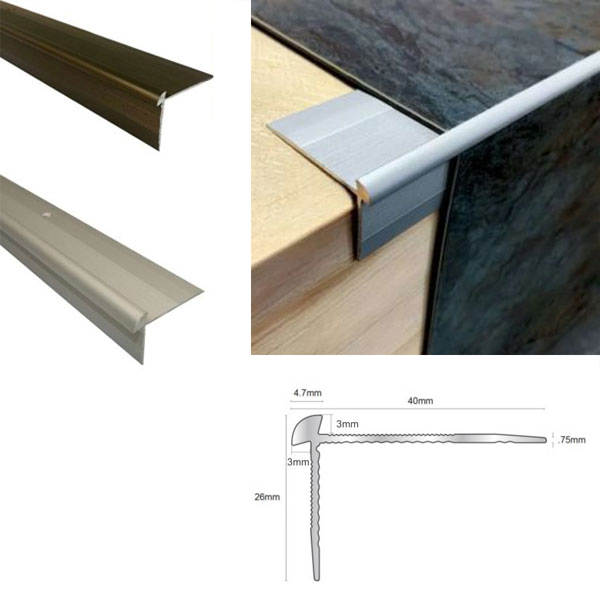
1. Aluminum Stair Nosing – The Heavy-Duty Champion
Why Choose Aluminum?
 |
| Aluminum Stair Nosal |
Extremely durable – Resists dents, corrosion, and heavy foot traffic.
Non-slip options available – Many aluminum nosings come with abrasive strips or grip tape inserts for added safety.

Fire-resistant – Meets strict building safety codes.Sleek & modern look – Ideal for corporate or high-end spaces.

Potential Drawbacks:
Harder underfoot – Less cushioning compared to rubber or vinyl.
Can be noisy – Metal-on-metal contact may produce sound in busy areas.
Pro Tip: Pair aluminum nosing with photoluminescent strips (like those from Mafson) for emergency exit compliance.
2. Rubber Stair Nosing – The Slip-Resistance King
Best for: Hospitals, schools, and wet environments (pools, kitchens).
Why Choose Rubber?

Superior grip – Naturally slip-resistant, even when wet.
Shock-absorbing – Reduces fatigue and impact on joints.
Quiet underfoot – Perfect for libraries, hotels, and healthcare facilities.
Easy to install – Often comes with self-adhesive backing for quick fixes.
Potential Drawbacks:
Less durable than metal – May wear down faster in extreme conditions.
Limited aesthetic appeal – Often comes in basic colors (black, gray).

Pro Tip: Look for recycled rubber options for an eco-friendly choice.
3. Vinyl Stair Nosing – The Budget-Friendly Workhorse
Best for: Retail stores, offices, and moderate-traffic areas.
Why Choose Vinyl?
Affordable & versatile – A cost-effective alternative to metal and rubber.
Wide range of colors – Can match flooring for a seamless look.
Low maintenance – Resists stains and moisture.
Potential Drawbacks:
Less durable than aluminum – Can crack under extreme stress.
Slippery when wet – Some cheaper variants lack textured surfaces.
Pro Tip: Opt for vinyl with abrasive particles for better slip resistance.
4. Composite Stair Nosing – The Balanced Performer
Best for: Outdoor stairs, warehouses, and mixed-use buildings.
Why Choose Composite?
Combines strength & flexibility – Often blends fiberglass, polymers, and resins.
Weather-resistant – Won’t warp or rot in outdoor conditions.
Customizable – Can mimic wood or metal finishes.
Potential Drawbacks:
Higher cost – More expensive than basic vinyl or rubber.
Limited availability – Not as common as other materials.
Pro Tip: Check if the composite meets BS EN 1436 standards for optimal visibility.
5. Stainless Steel Stair Nosing – The Premium Choice
Best for: Luxury hotels, museums, and high-end retail.
Why Choose Stainless Steel?
Ultra-durable – Resists rust, scratches, and heavy impacts.
Elegant finish – Adds a polished, professional look.
Hygienic – Easy to clean, ideal for labs and food service areas.
Potential Drawbacks:
Expensive – One of the costliest options.
Slippery if not textured – Requires anti-slip inserts.
Pro Tip: Pair with LED stair lighting (like solutions from Mafson) for enhanced safety and aesthetics.
Final Verdict: Which Material Should You Choose?
Need maximum durability? → Aluminum or Stainless Steel
Prioritizing slip resistance? → Rubber or Textured Vinyl
Balancing cost & performance? → Composite or Vinyl
Ready to Upgrade Your Stair Safety?
Whether you’re renovating an office, school, or industrial facility, the right stair nosing prevents accidents and extends stair lifespan. For high-quality, code-compliant options, explore Mafson’s range of stair nosing solutions—trusted by contractors and facility managers across the UK.
Got questions? Drop a comment below or contact a flooring specialist to find your perfect match!